
enough sleep? While occasional sleepless nights are common,
consistently poor sleep can affect your overall health
and well-being.
Sleep plays an important role in the body’s recovery and
normal functioning. Although a direct link between poor
sleep and hair loss has not been firmly established,
sleep disturbances may contribute indirectly through
stress and other changes in overall health.
Let’s understand the possible connection between sleep
quality and hair health.
Why Is Sleep Important for Overall Health?
Sleep is essential for physical recovery, brain function,
immune health and normal body regulation. During sleep,
the body carries out several processes that support
everyday functioning.
Poor or insufficient sleep over a prolonged period can
affect mood, stress levels, metabolism and general
well-being. These changes may also influence habits
that are important for maintaining healthy hair.
Can Lack of Sleep Cause Hair Loss?
There is currently limited evidence to establish that
lack of sleep directly causes hair loss. However,
persistent sleep disturbances may be associated with
factors that can affect hair health.
For example, poor sleep may increase stress, affect
eating habits and contribute to changes in overall
health. These factors may play a role in hair shedding
in some individuals.
Hair loss has several possible causes. Poor sleep
should not automatically be considered the reason
for excessive hair shedding.
4 Ways Poor Sleep May Affect Hair Health
1. Increased Stress Levels
Inadequate sleep can contribute to increased stress
and difficulty managing everyday challenges.
Significant physical or emotional stress may trigger
a condition called telogen effluvium, which causes
increased hair shedding.
2. Changes in Eating Habits
Poor sleep can affect appetite and daily routines.
Irregular meals or an unbalanced diet may lead to
inadequate intake of nutrients that support normal
hair growth.
3. Effects on Overall Health
Long-term sleep deprivation is associated with several
health concerns. When overall health is affected,
factors such as illness, nutritional problems and
stress may also influence hair shedding.
4. Disruption of Healthy Daily Routines
Irregular sleep schedules can make it harder to
maintain consistent exercise, balanced meals and
healthy self-care habits. These routines contribute
to general well-being and may indirectly support
hair health.
How Many Hours of Sleep Do Adults Need?
Most adults need at least seven hours of sleep each
night. Individual sleep requirements can vary,
but maintaining a regular sleep schedule is an
important part of a healthy lifestyle.
Consistent sleep and wake times can help support
better sleep quality.
5 Habits That Can Help Improve Sleep Quality
1. Maintain a Regular Sleep Schedule
Try to go to bed and wake up at approximately the
same time every day, including weekends.
2. Reduce Screen Time Before Bed
Avoid prolonged mobile phone or screen use close
to bedtime. Choose a relaxing activity instead.
3. Avoid Excessive Caffeine Late in the Day
Coffee, tea and other caffeinated drinks may
interfere with sleep, especially when consumed
later in the day.
4. Maintain a Balanced Diet
Include a variety of nutritious foods in your
daily meals to support overall health and normal
hair growth.
5. Create a Comfortable Sleeping Environment
Keep your bedroom quiet, comfortable and suitable
for restful sleep. A relaxing bedtime routine
may also help.
When Should You Consult a Dermatologist?
If you notice persistent or excessive hair shedding,
it is important to identify the underlying cause
rather than assuming that poor sleep is responsible.
Consider consulting a dermatologist if you experience:
- Sudden or excessive hair shedding.
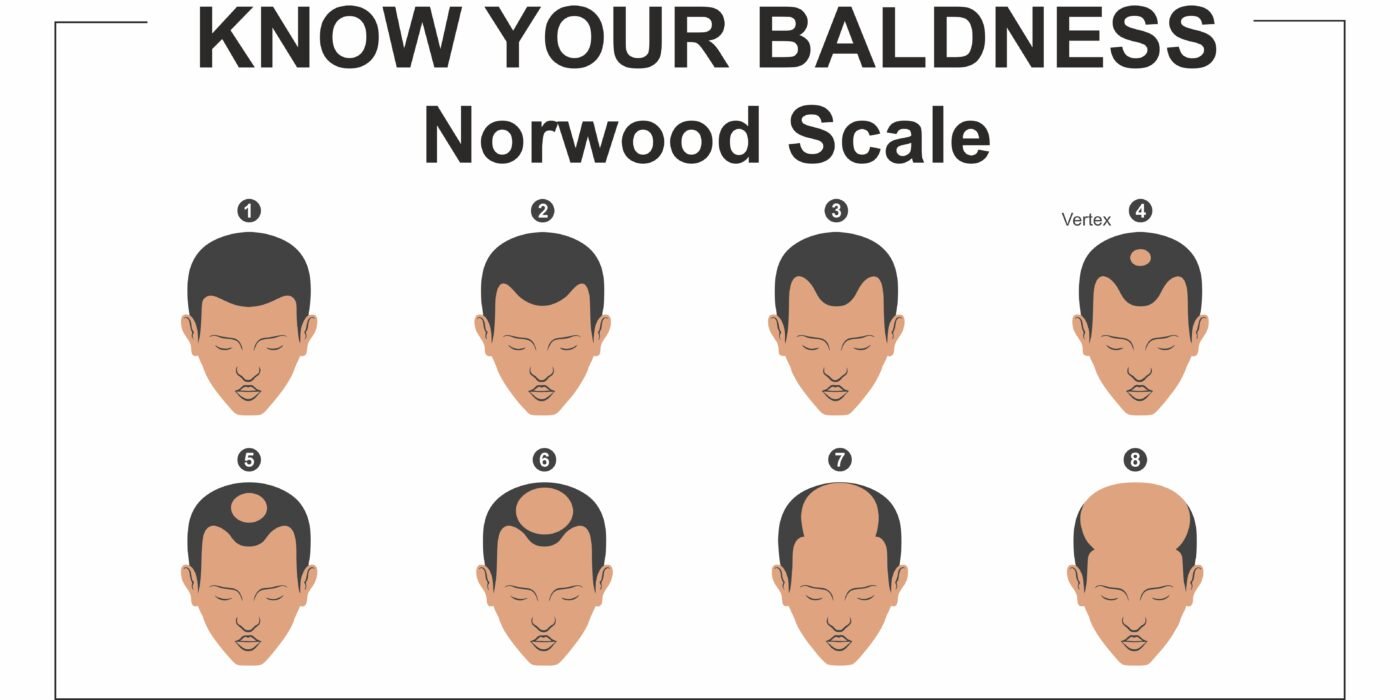
- Gradual thinning around the crown or hairline.
- Visible bald patches.
- Hair fall that continues for several months.
- Scalp itching, redness or irritation.
A dermatologist may examine your scalp, review your
medical history and recommend investigations when
necessary. Possible causes include hereditary hair
loss, nutritional deficiencies, hormonal changes
and scalp conditions.
Frequently Asked Questions
1. Does sleeping late cause hair fall?
There is no strong evidence that sleeping late
alone directly causes hair loss. However,
consistently poor sleep may affect overall health
and contribute to factors associated with hair
shedding.
2. Can sleeping for fewer than seven hours affect hair health?
Regularly getting insufficient sleep may affect
stress levels and general well-being. Its direct
effect on hair growth is not yet clearly established.
3. Can improving sleep stop hair fall?
Better sleep supports overall health, but it
cannot guarantee that hair fall will stop.
The right approach depends on the underlying
cause of hair loss.
4. Does stress from poor sleep cause hair shedding?
Significant physical or emotional stress can
trigger telogen effluvium in some individuals.
However, poor sleep alone should not be assumed
to be the cause.
5. Should I see a dermatologist for persistent hair fall?
Yes. A dermatologist can assess your hair and
scalp health, identify possible contributing
factors and guide appropriate care.
Conclusion
Good sleep is an important part of maintaining
overall health. Although poor sleep has not been
established as a direct cause of hair loss,
prolonged sleep disturbances may contribute
indirectly through stress and lifestyle changes.
Maintaining a regular sleep routine, eating a
balanced diet and seeking professional advice
for persistent hair shedding can help you make
informed decisions about your hair health.
guidance in Haridwar?GS Tricho Derma Clinic, Haridwar, Uttarakhand,
provides dermatological consultation for
hair loss and scalp-related concerns.
This article is intended for general educational
purposes only. It is not a substitute for
professional medical advice, diagnosis or treatment.
Consult a qualified dermatologist for individual
concerns.